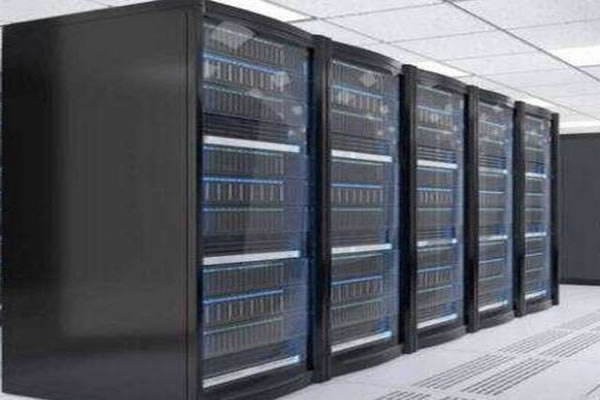
for beginners to quickly get started with stm taiwan server configuration and performance monitoring methods, this article focuses on practical steps and key points, covering access, network, security, system tuning, storage and monitoring, to help operation and maintenance quickly establish a stable and observable server environment.
environment preparation and access
before deploying or accessing an stm server in taiwan, first confirm the network link, bandwidth, and provider's access point location. prepare ssh keys, management accounts and access whitelists, and test latency and packet loss to ensure basic accessibility and stability of remote operation and maintenance.
basic network and security configuration
when configuring the server network, set a static ip or reserved address, divide the subnets appropriately, and open necessary ports. enable firewall rules, ssh speed limit and two-factor authentication, and close unnecessary services to reduce the risk of being compromised and ensure the security of the production environment.
operating system and kernel tuning
adjust operating system parameters such as file descriptor limits, number of tcp connections, kernel network buffers, etc. based on application load. adopt a regular update strategy and enable time synchronization (ntp/chrony) to ensure system stability and consistent performance.
storage and file system optimization
choose the appropriate disk type and raid strategy, and evaluate iops and throughput requirements. optimize file system mounting options, adjust the scheduler, and enable trim or discard (for ssd) for database or high io scenarios to improve read and write latency and lifespan.
deploy monitoring solutions and common tools
establish a monitoring system covering hosts, processes, networks and storage, and collect cpu, memory, disk io, network throughput and application response time. you can use prometheus to collect indicators, display them in grafana, and cooperate with alertmanager or other alarm channels to achieve observability.
performance indicator analysis and alarm strategy
define key performance indicators (kpis) and thresholds, such as cpu utilization, average response delay, disk queue length, packet loss rate, etc.; set hierarchical alarms and combine them with automated scripts or runbooks to ensure that faults can be quickly located and responded to.
summary and suggestions
newbies need to proceed step by step when getting started with the stm taiwan server: first ensure network and security, then optimize the system and storage, and finally establish complete monitoring and alarming. continuously iterate on configurations and document changes, prioritizing bottlenecks to achieve a reliable and maintainable production environment.
- Latest articles
- Popular tags
-

Step-by-step Guide On How To Connect To Servers In Taiwan For Testing And Speed Testing
This guide walks you through step by step on how to connect to servers in Taiwan for testing and speed testing. It covers preparation work, connection methods, common testing tools, performance measurement, and security considerations, making it suitable for operations and development personnel. -
Performance Analysis And Application Scenarios Of 8km Servers In Taiwan
This article will analyze the performance of Taiwan’s 8km servers and discuss its application scenarios to provide reference for users to choose a suitable server. -

Taiwan Server Connection Skills That Players In Genting Tactics Must Know
This article introduces the skills that Genting Tactics players need to master when connecting to Taiwan servers to help players smooth the game.